Lambeth Magazine arrives at a pivotal moment for one of London's most diverse and fast-changing boroughs. From the buzzing streets of Brixton to the leafy avenues of Clapham, from the cultural landmarks of the South Bank to the emerging neighbourhoods of Streatham and West Norwood, this publication is dedicated to covering the stories that matter to the people who live, work, and spend time here.
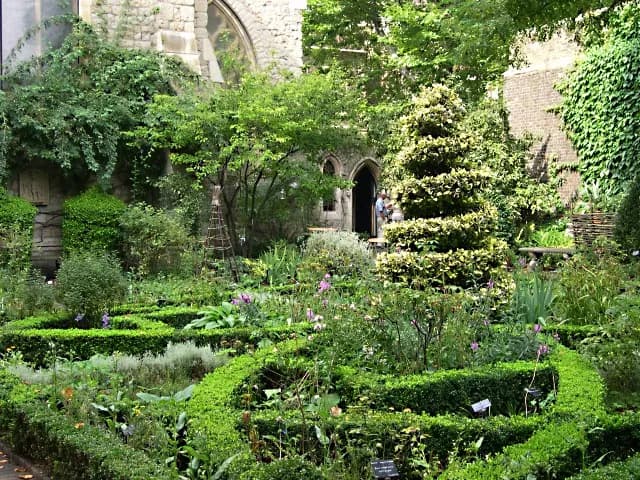
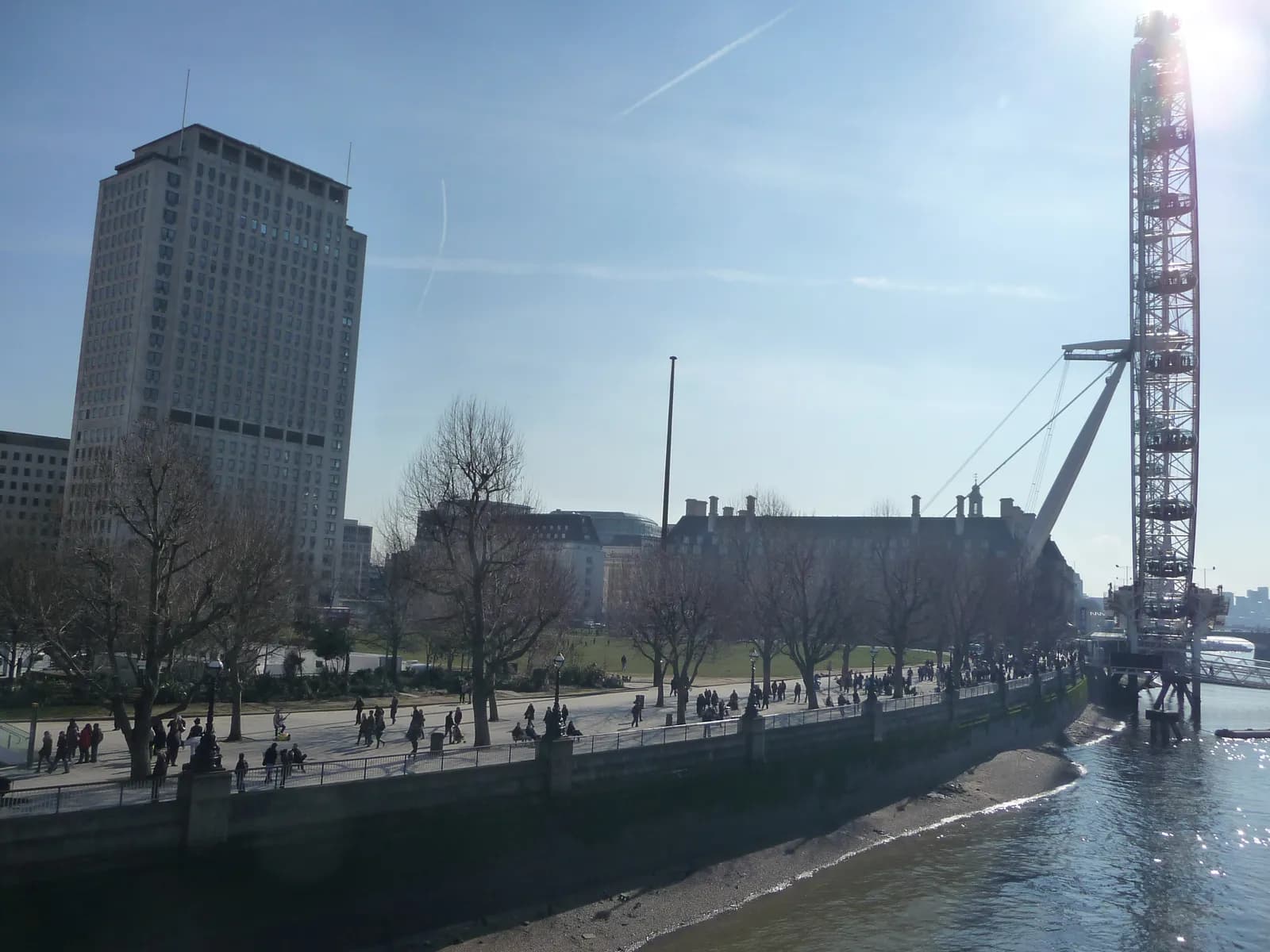
Lambeth stretches across central and south London, encompassing a patchwork of distinct communities each with their own character. The borough's northern edge hugs the River Thames, taking in the London Eye, the Southbank Centre, and the historic Lambeth Palace, official residence of the Archbishop of Canterbury. Move south and you encounter Kennington's Georgian terraces, Brixton's legendary market and music heritage, and the open green spaces of Brockwell Park and Clapham Common.
What makes Lambeth unique is its constant state of evolution. Regeneration projects continue to reshape areas like Waterloo and Nine Elms. The borough sits at the intersection of established communities and new development, creating a tension that generates constant debate about housing, gentrification, transport, and who the area serves. These conversations belong to the people who experience them daily, and this magazine aims to provide the depth and context they deserve.
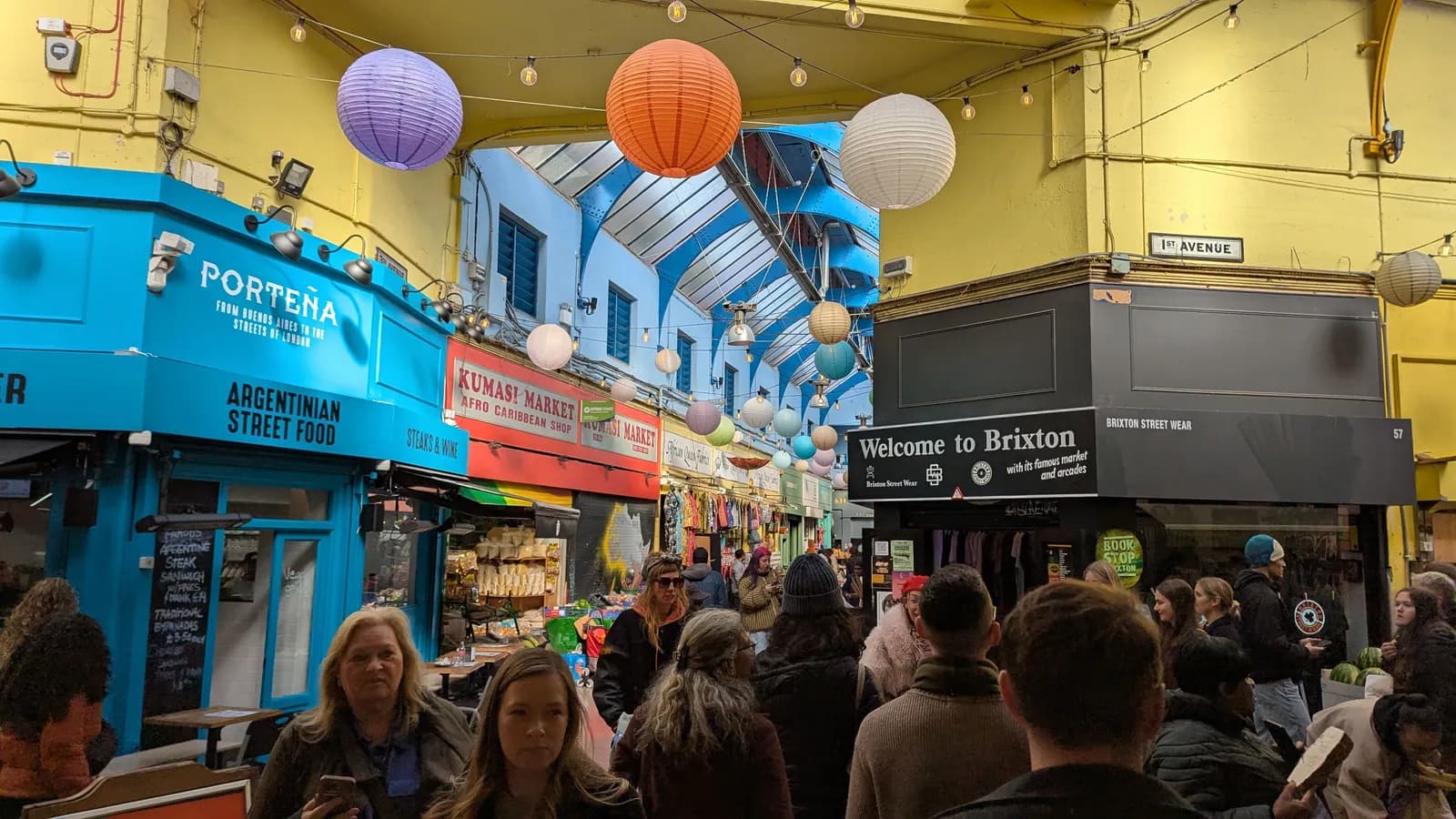
The food scene tells part of the story. Brixton Village and Market Row have become destinations for Londoners seeking everything from Ghanaian cuisine to artisan coffee. Streatham's High Road, once struggling, now hosts an increasingly diverse range of independent restaurants. Yet alongside the new openings sit long-established favourites that have served generations of residents.
Transport links knit the borough together while also connecting it to the wider city. The Northern Line runs through Kennington, Stockwell, and Clapham. The Victoria Line serves Brixton at its southern terminus. Overground services connect Clapham High Street, Wandsworth Road, and West Norwood. Bus routes crisscross the area, and cyclists navigate a growing network of segregated lanes.
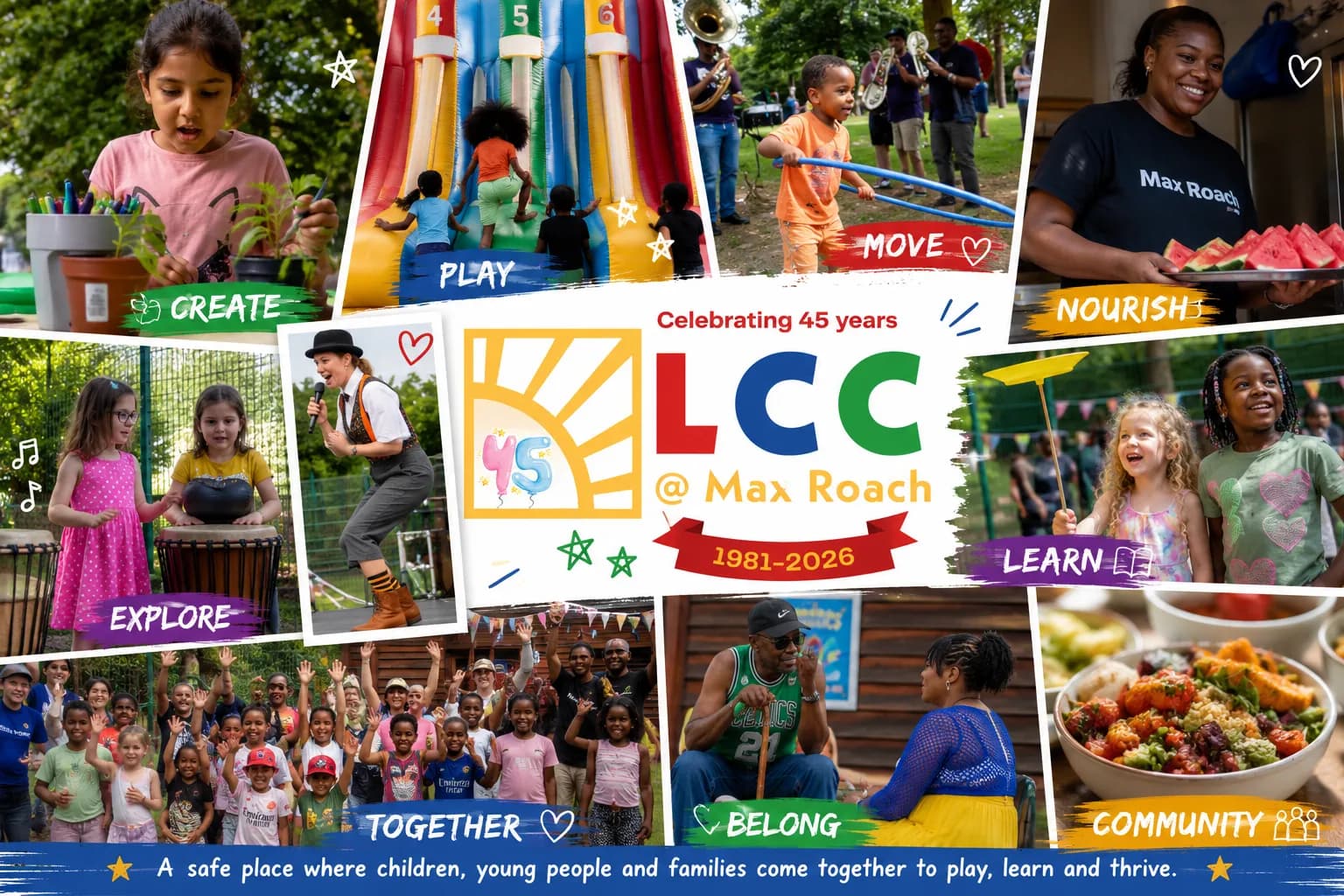
Community life in Lambeth operates at the street level. Local libraries, community centres, and parks host events that rarely make the headlines but form the fabric of daily existence. The borough's demographic diversity, one of the highest in London, means that festivals, religious observances, and cultural celebrations span the calendar year.
Lambeth Magazine will cover all of this and more. The publication will report on council decisions affecting housing and services. It will profile local businesses, artists, and community organisers. It will investigate the issues residents raise, from planning applications to school admissions to changes in local healthcare provision.
This is a borough of contradictions and constant motion. A place where world-famous attractions sit alongside pockets of significant deprivation. Where longstanding communities face pressure from rising costs and where new arrivals seek to put down roots. Where the problems of a major capital city play out in concentrated form, but where solutions often emerge from the creativity and resilience of local people.
The magazine's role is not to promote Lambeth uncritically, nor to dwell only on its challenges. It is to provide accurate, timely information that helps residents understand what is happening around them and make informed decisions about their lives. It is to amplify voices that might otherwise go unheard and to hold power to account where necessary.
Every article published here will be grounded in fact, checked against multiple sources where possible, and clearly attributed. Corrections will be issued promptly when errors occur. The editorial team welcomes tips, feedback, and story ideas from readers who know their neighbourhoods better than any journalist could.
Lambeth deserves journalism that matches its complexity. This magazine intends to provide it.